Wheel Spacers
13 products
13 items
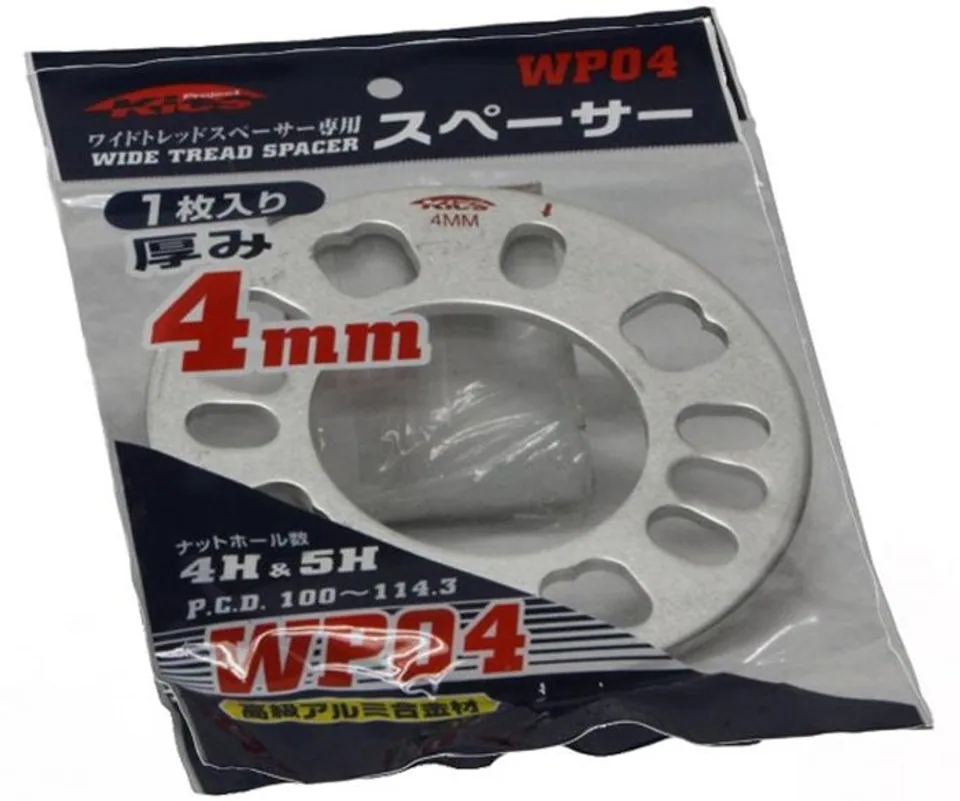
About Wheel Spacers
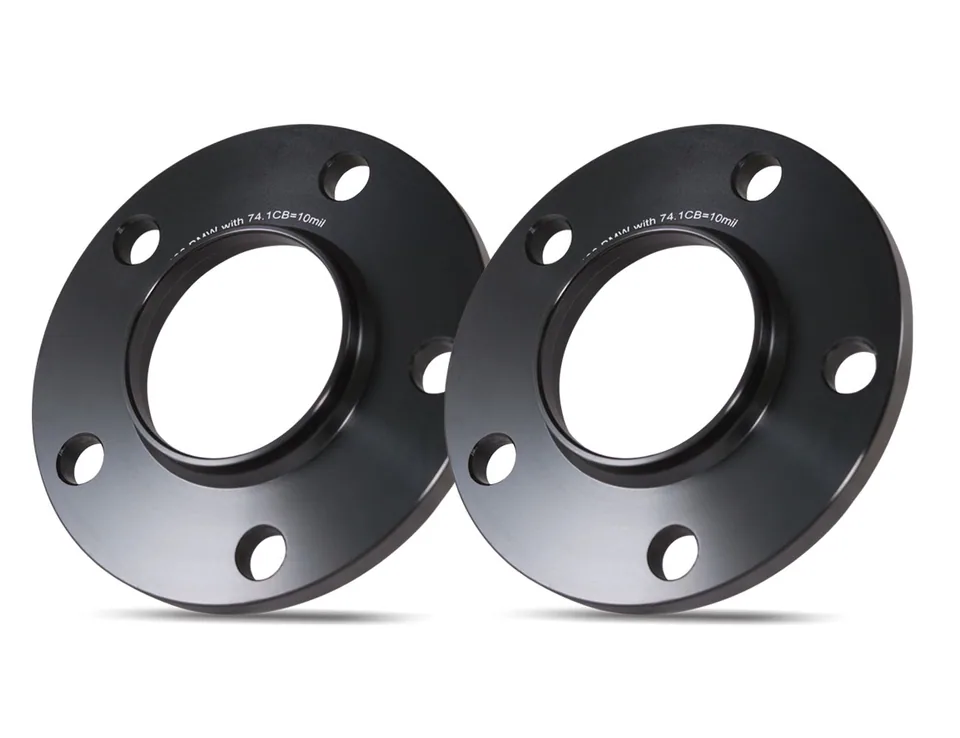
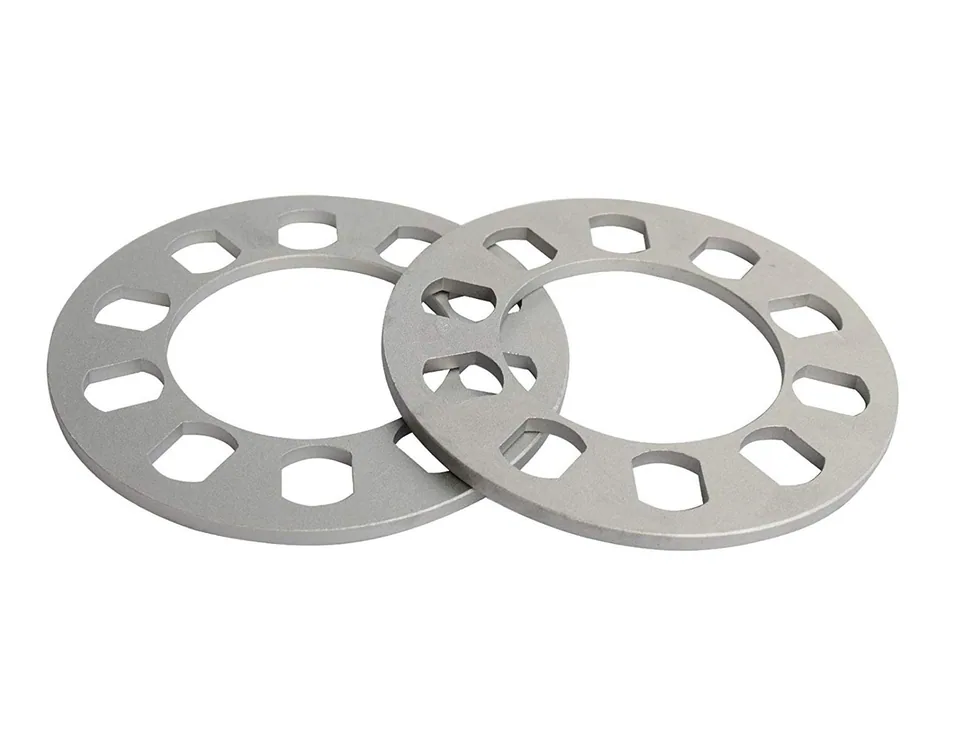
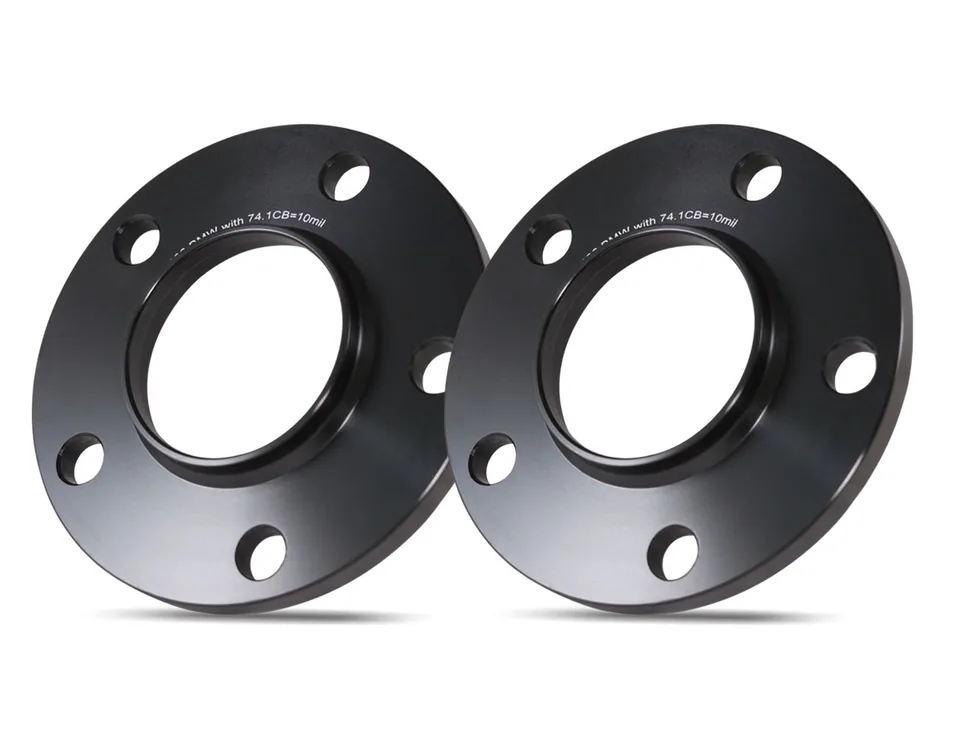
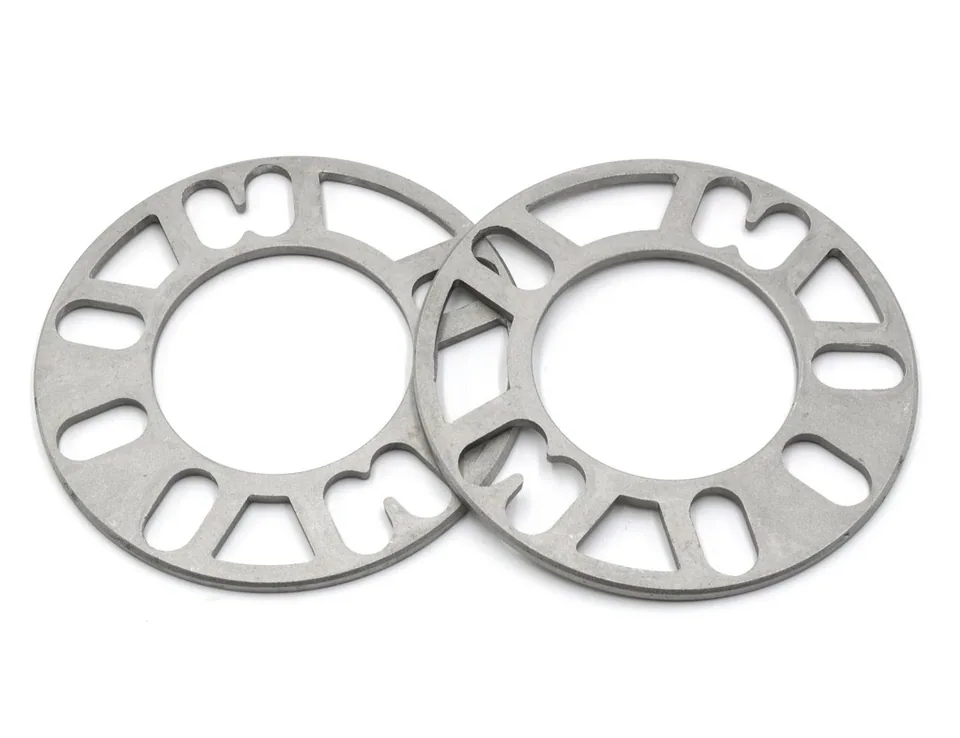
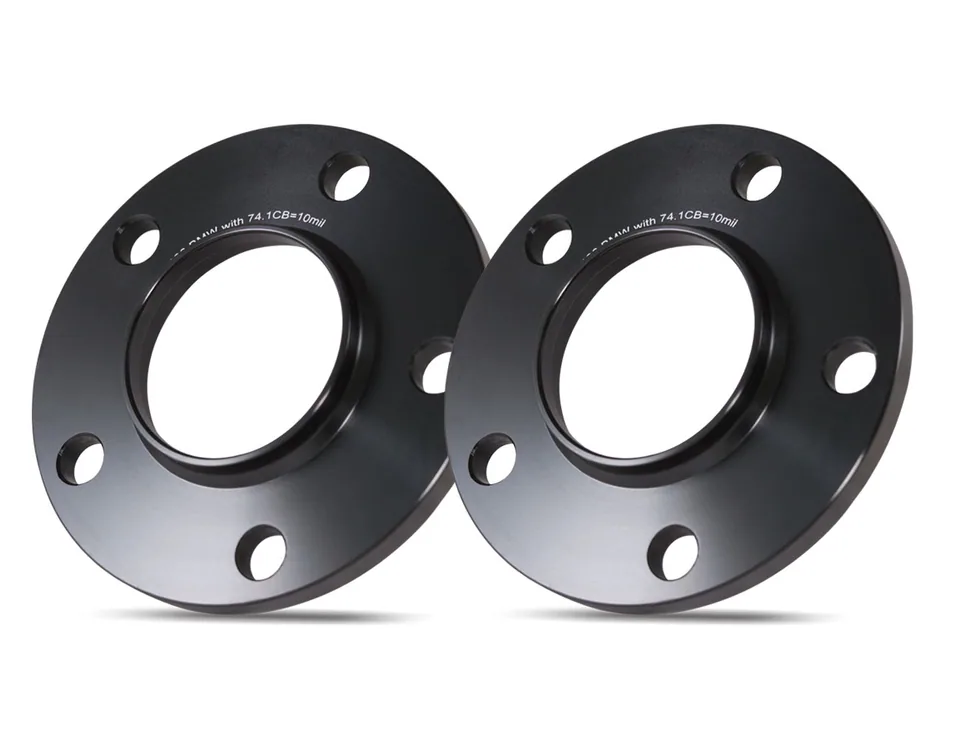
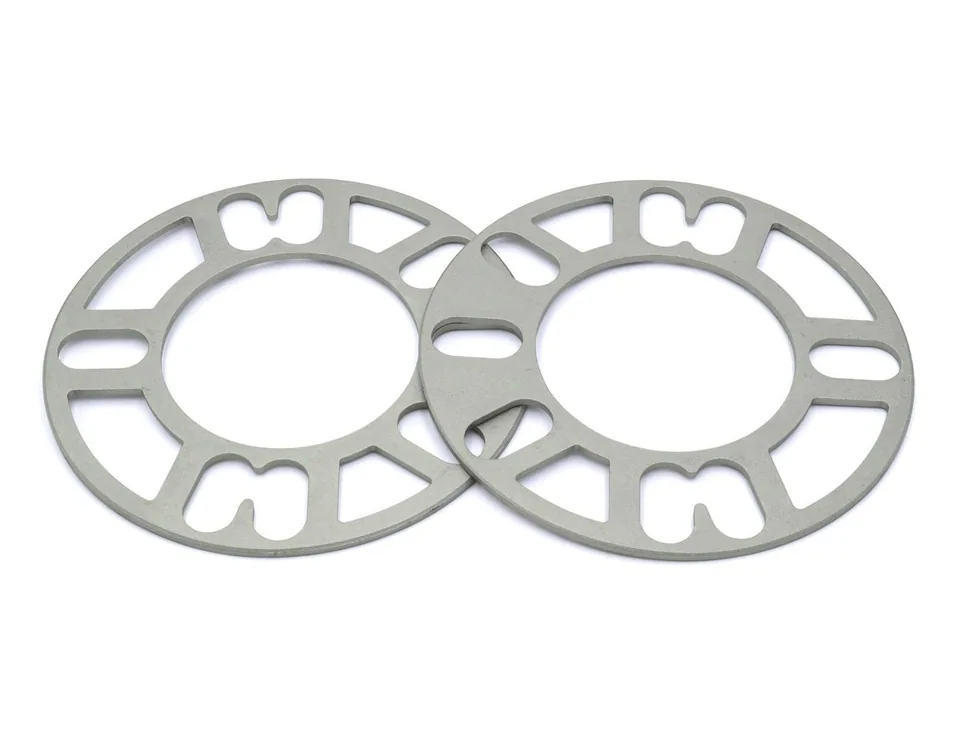
A spacer moves the wheel outward by its thickness, which is the same as taking that much off the offset. That's the whole product, and there isn't more to it. Want a high offset wheel sitting flush with the fender? That's a spacer. Need to get around a big brake caliper? Same answer. It's also how you run one wheel size at both ends when the track widths differ.
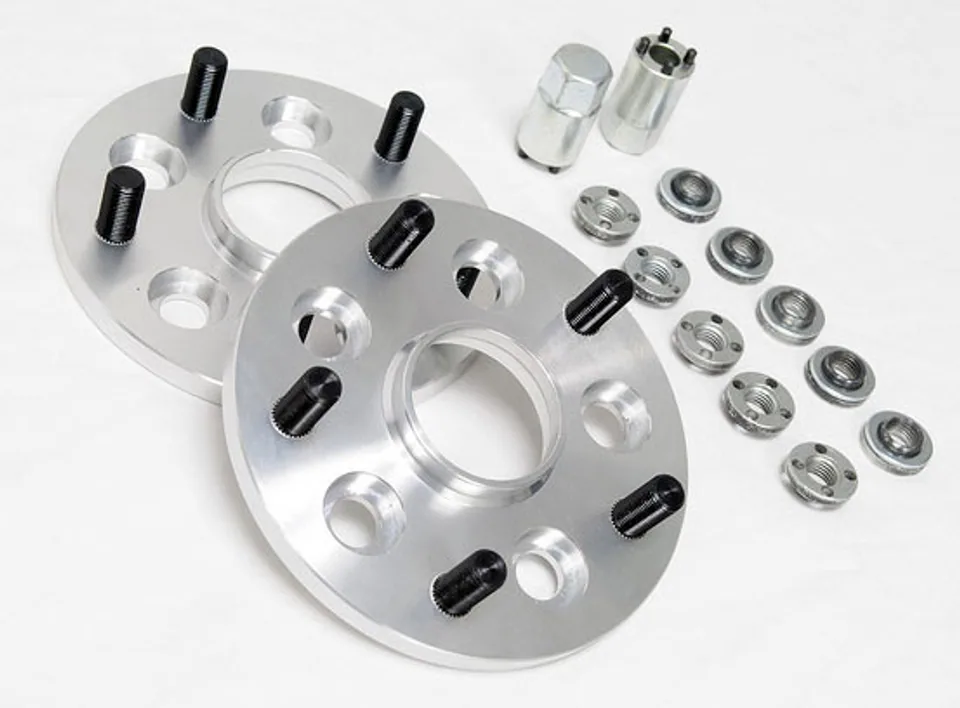
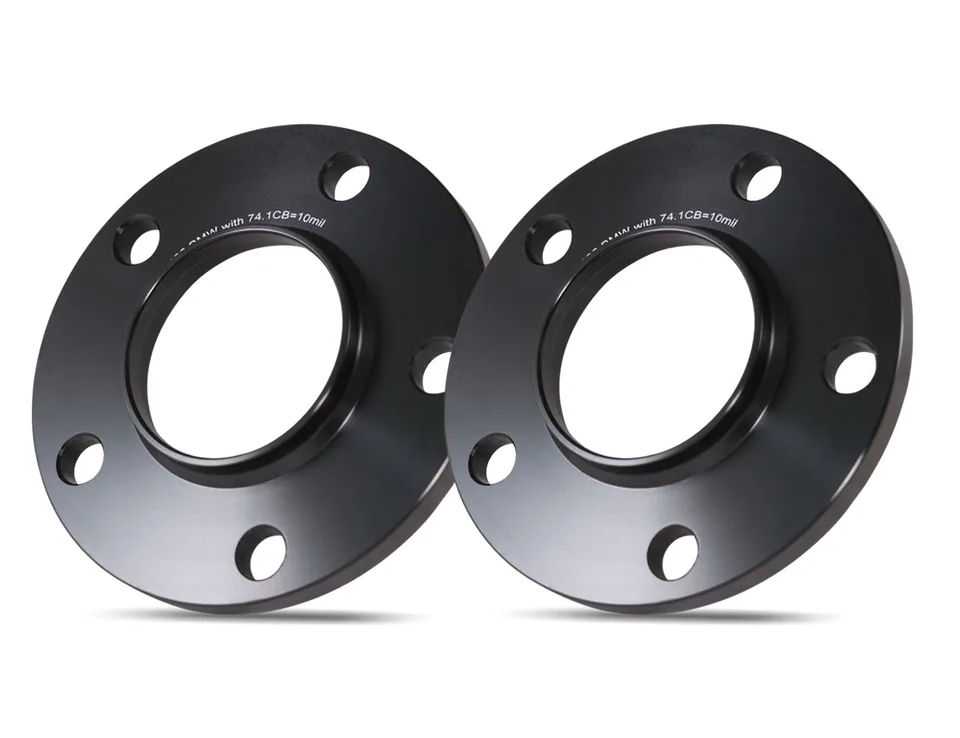
Thin spacers slide over the factory studs and the wheel goes on with the same nuts, so the question is thread engagement. Every millimeter of spacer is a millimeter less stud inside the nut, and past a point you want longer studs, or longer bolts on a car that uses them. Thicker spacers bolt to the hub on their own studs. Project Kics makes both, and the thick ones won't go on without their own studs.
Hub centric is the rule, not a preference. A spacer with a lip matching your hub bore keeps the wheel centered the way the factory did. A lug centric one centers on the studs and shakes at speed. Torque the spacer to the hub, then the wheel to the spacer, then retorque after the first drive. Pushing the wheel out loads the bearing a little harder, so don't get carried away.
- By brand
- Project Kics2