15 items
15 products
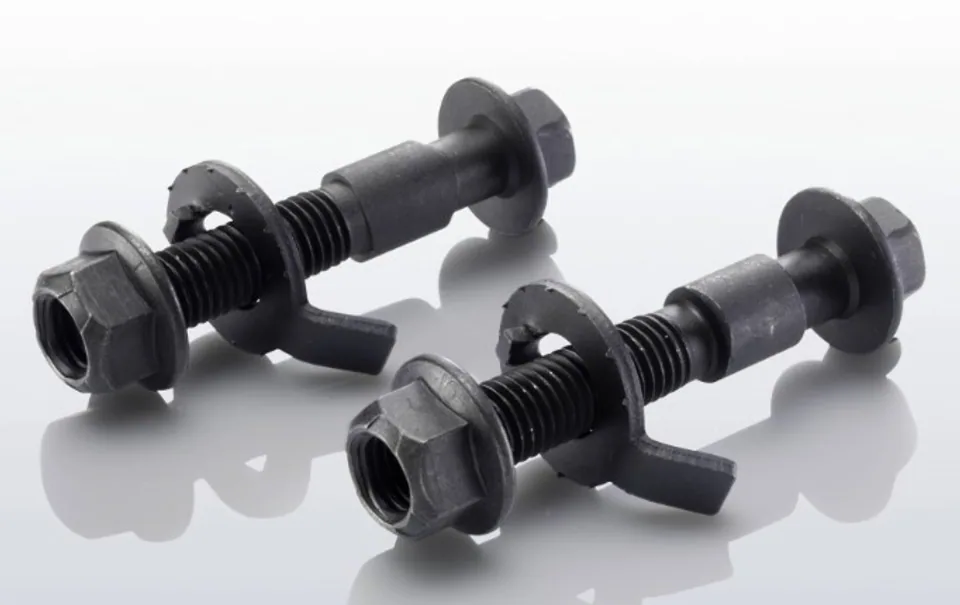
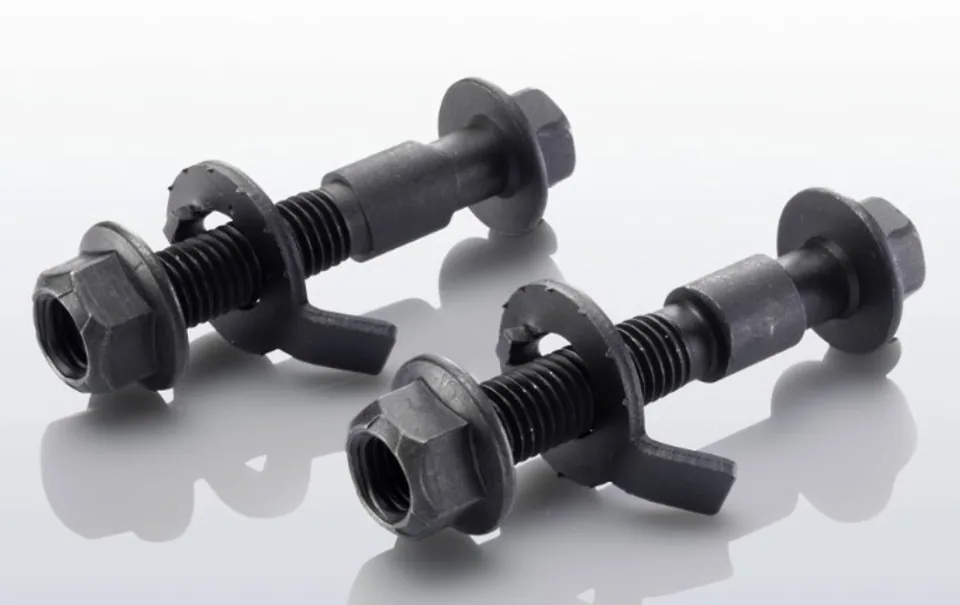
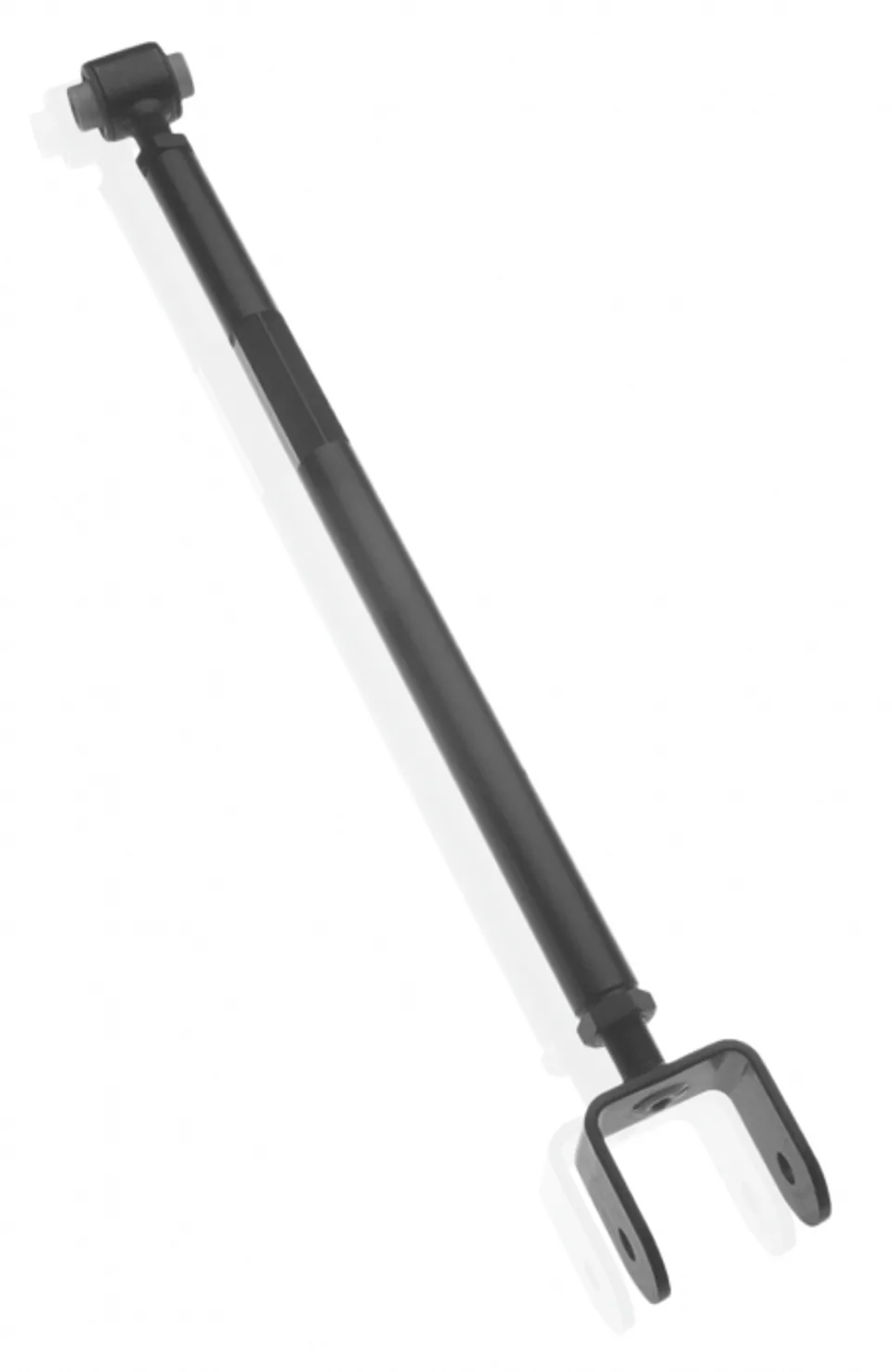
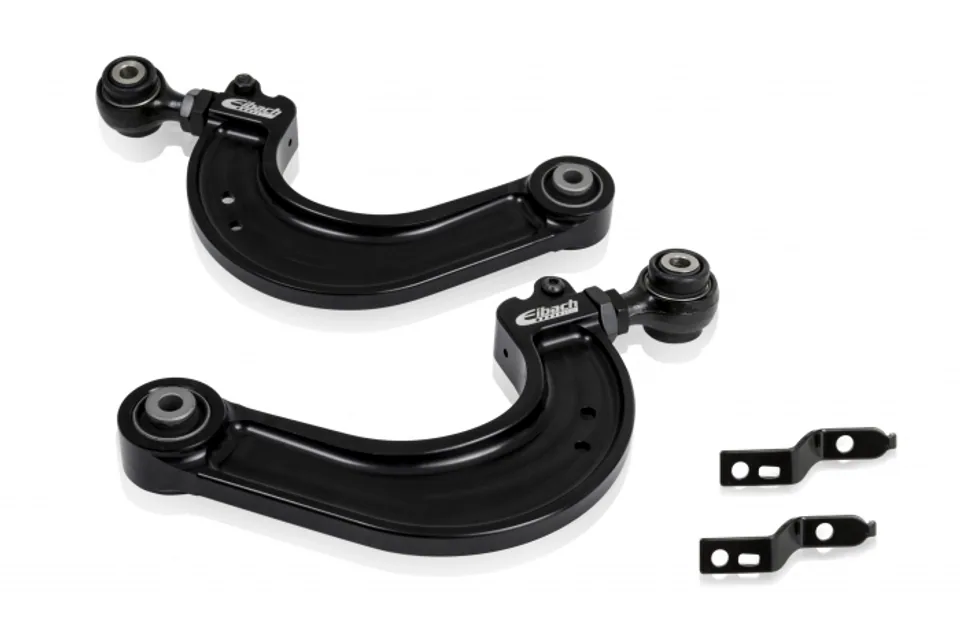
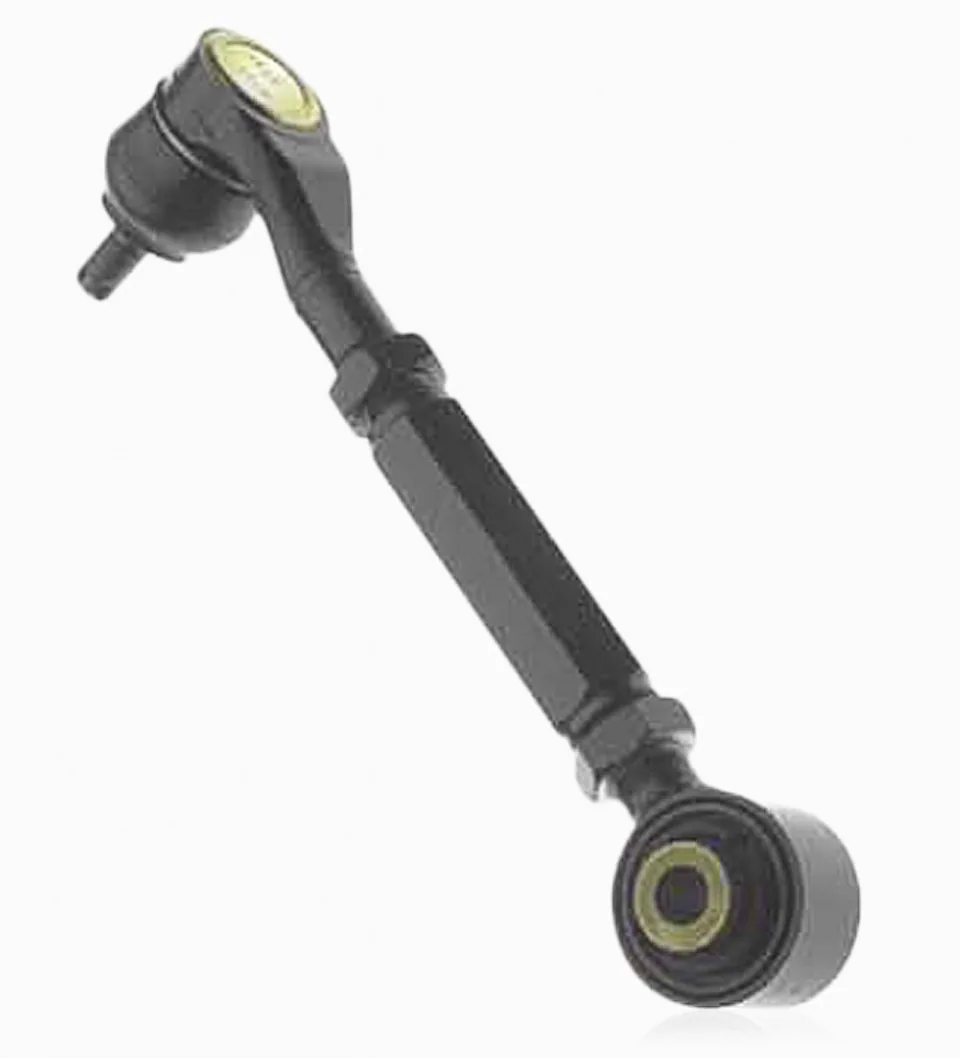
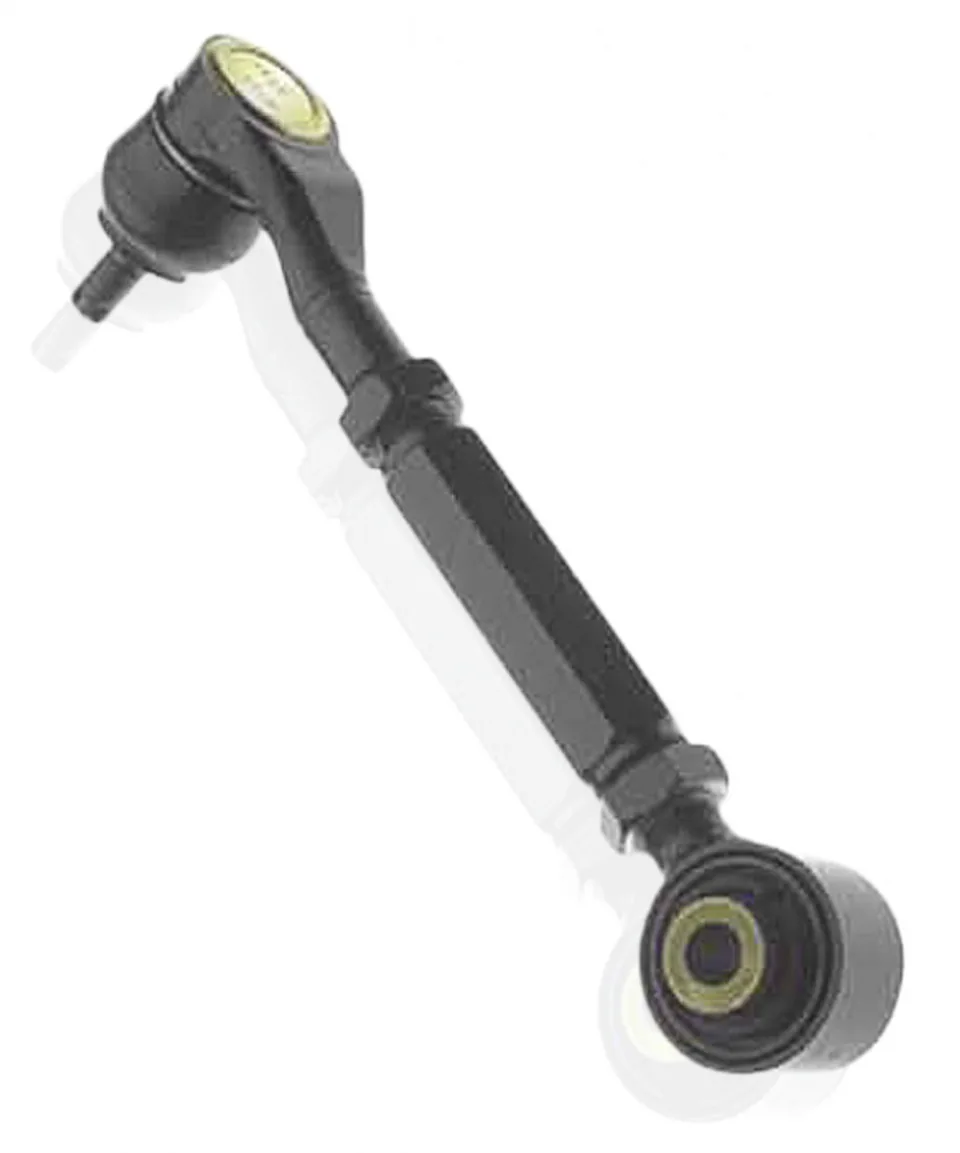
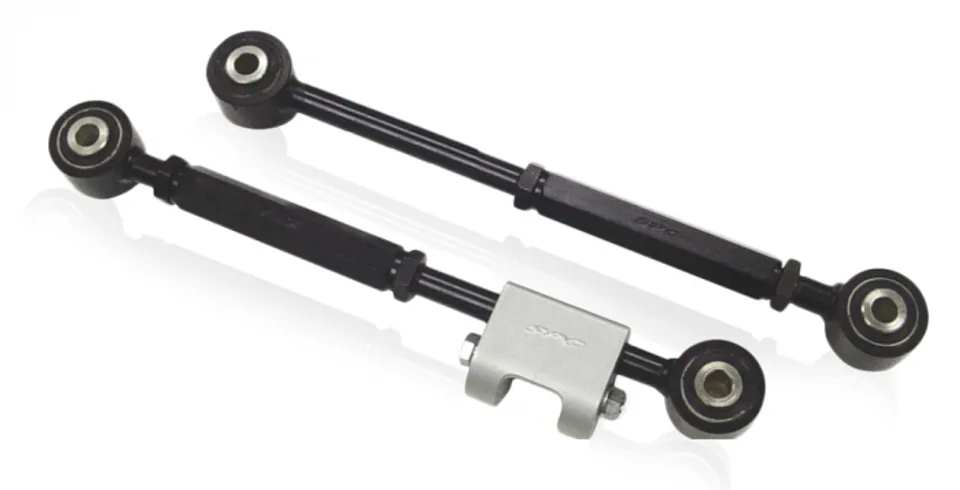
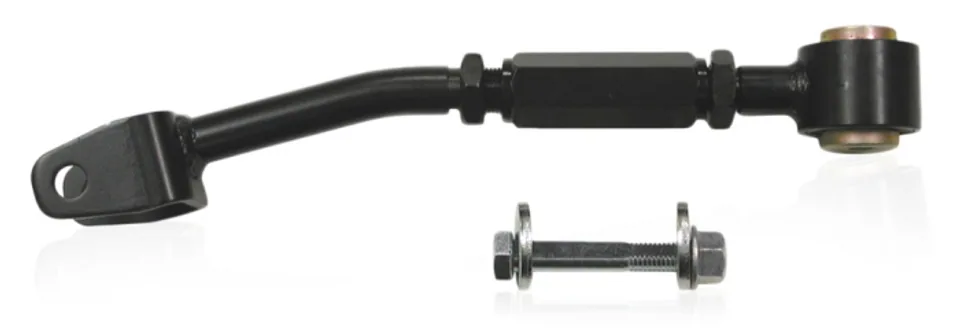
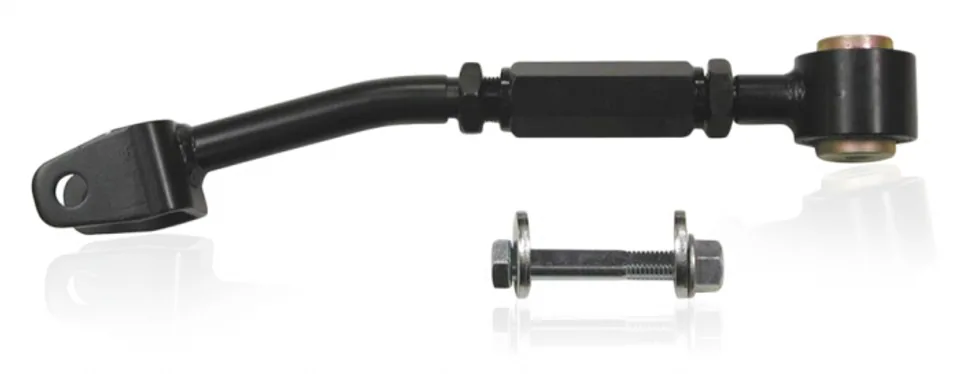
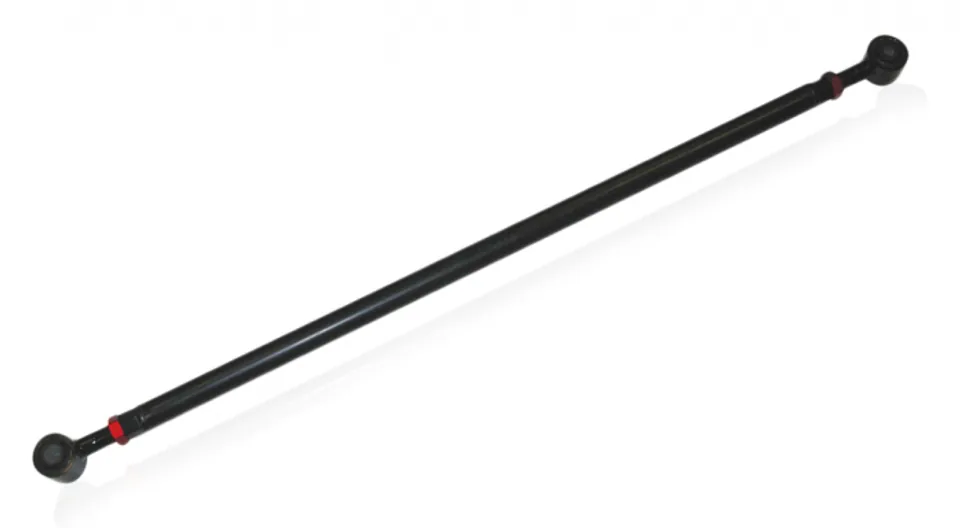
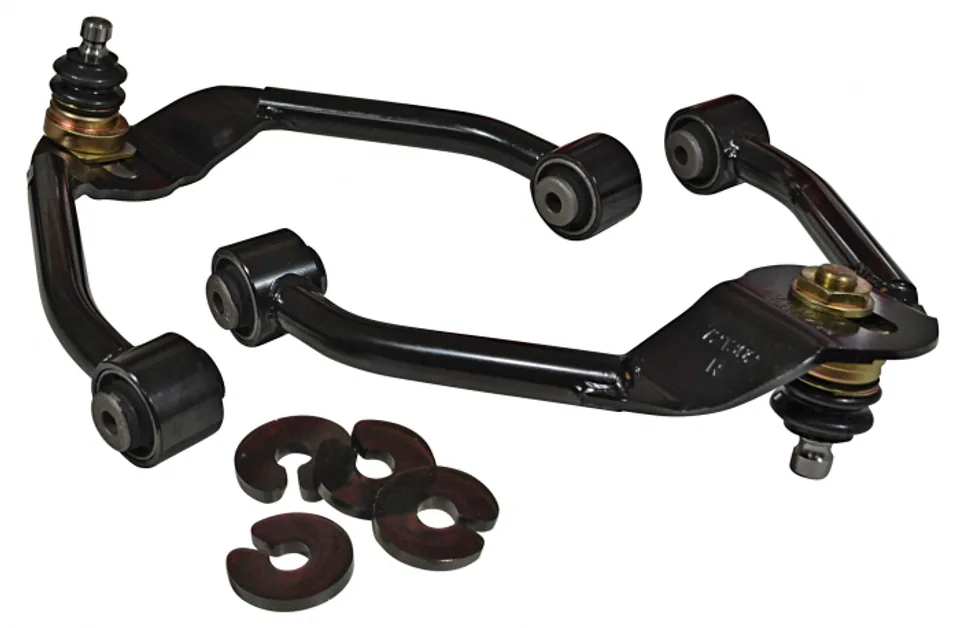
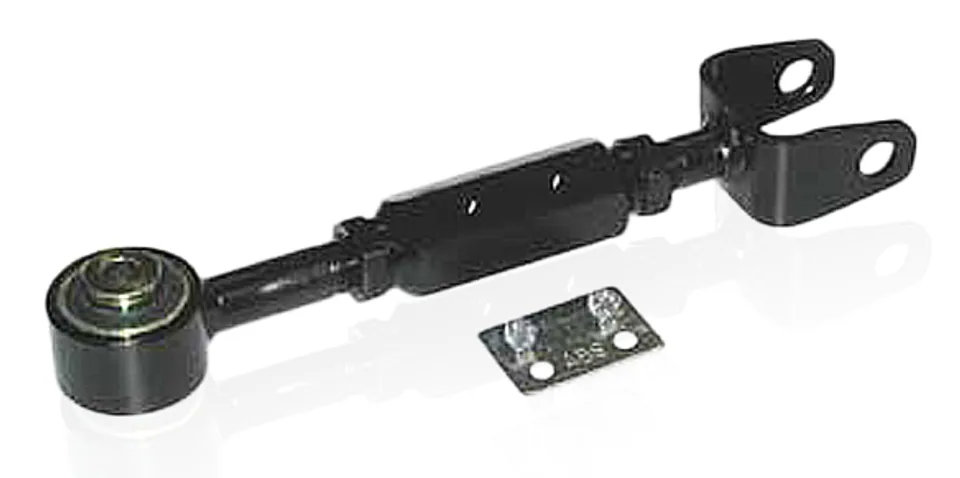
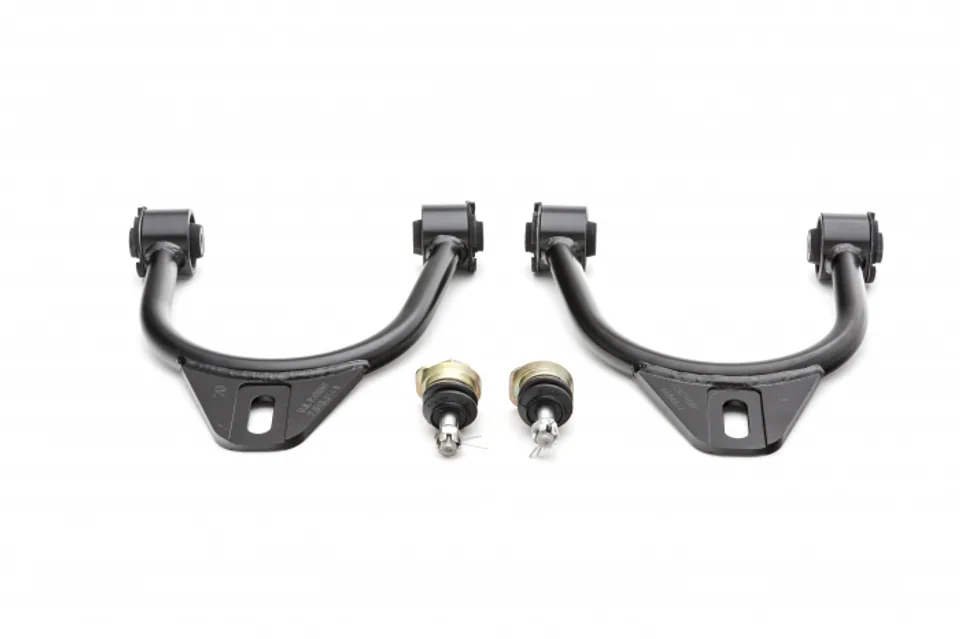
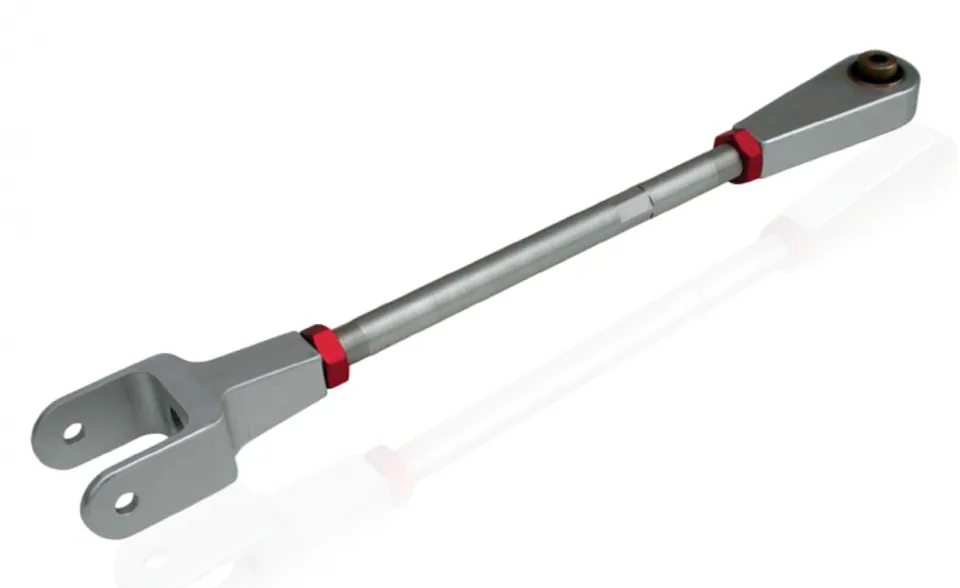
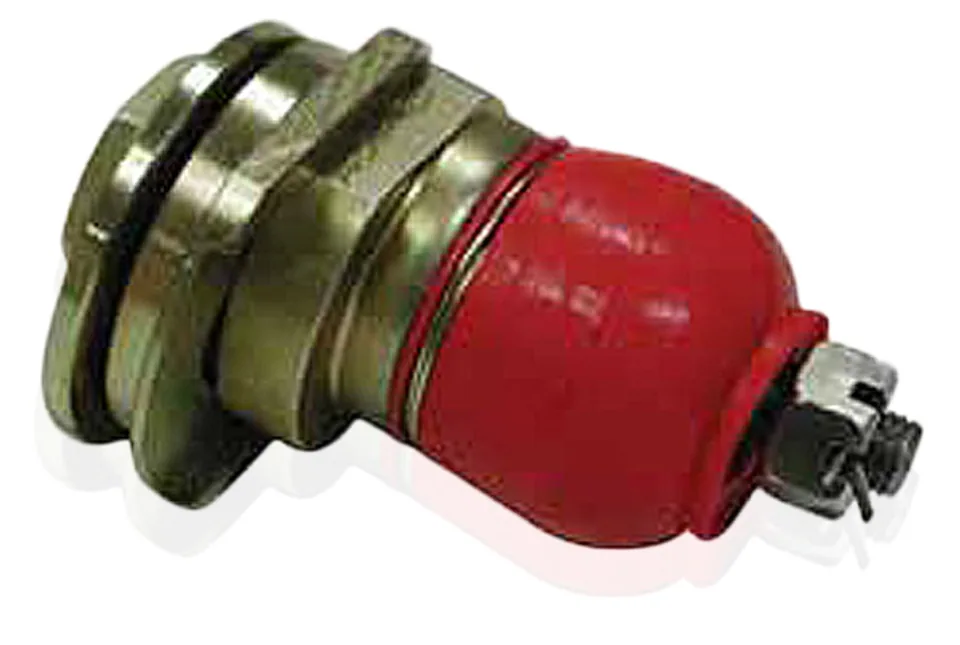
Lower a car and the camber follows. On a strut front end the top of the tire tips inward as the body drops, and on most multilink rears it happens faster. A camber kit gives the alignment shop a way to set it back. Which kit depends on the axle and the car. Camber bolts replace a strut to knuckle bolt with an eccentric one. Adjustable arms replace a fixed link. Camber plates replace the strut top mount with a slotted one.
Bolts are the cheap fix and the small one. An Eibach Pro Alignment bolt buys a fixed range and installs in the time it takes to loosen the strut. Arms buy more range and hold it under load. Plates give the most adjustment up front and let you dial in negative camber for a track day and back it out on Monday. A camber plate also changes the strut top, so the ride can get louder, and the listing says which plates carry a rubber isolator.
Some negative camber is good. It keeps the outside tire flat in a corner and the factory runs a little on most cars in the catalog. Too much on a daily wears the inside edge and hurts braking in a straight line. The goal after a mild drop is factory spec or close to it so the tires last. The goal on a track car is whatever the tire temperatures say. Wheel offset changes how camber looks, since a low offset wheel tucks less at the same angle.