Lug Nuts and Locks
10 products
10 items
About Lug Nuts and Locks
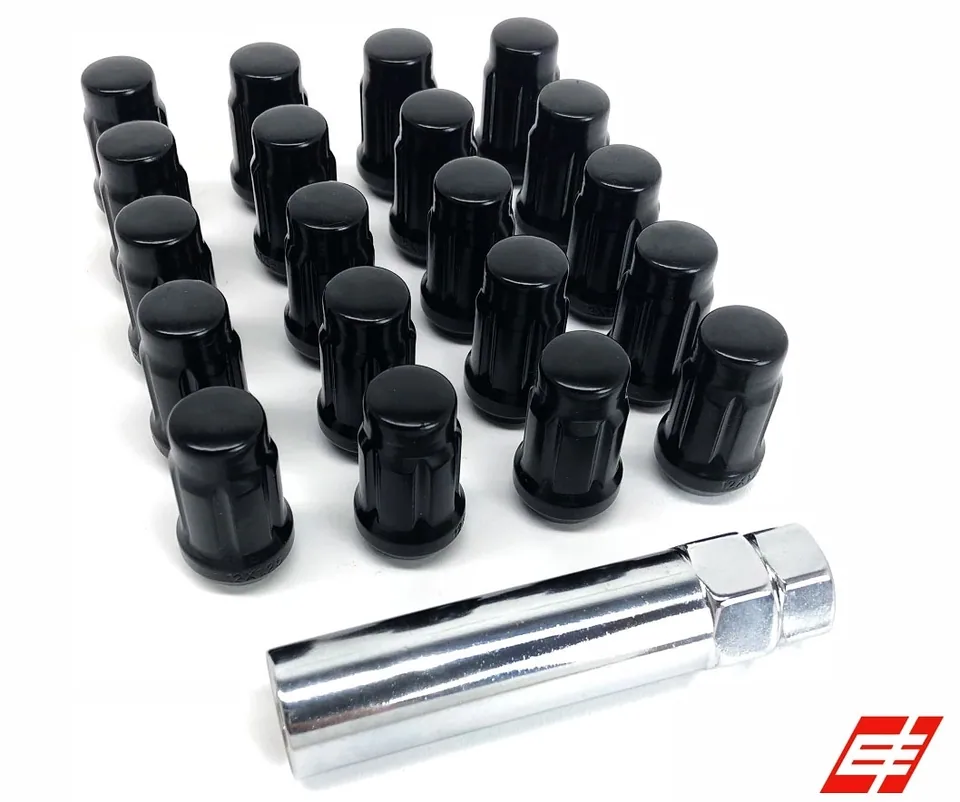
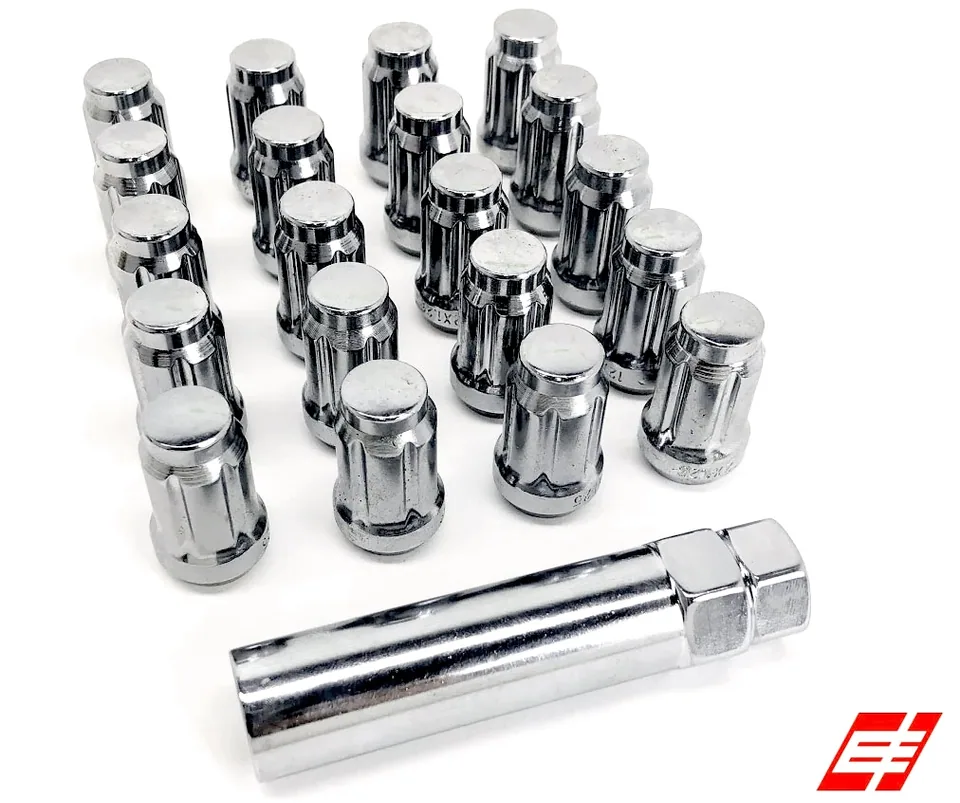
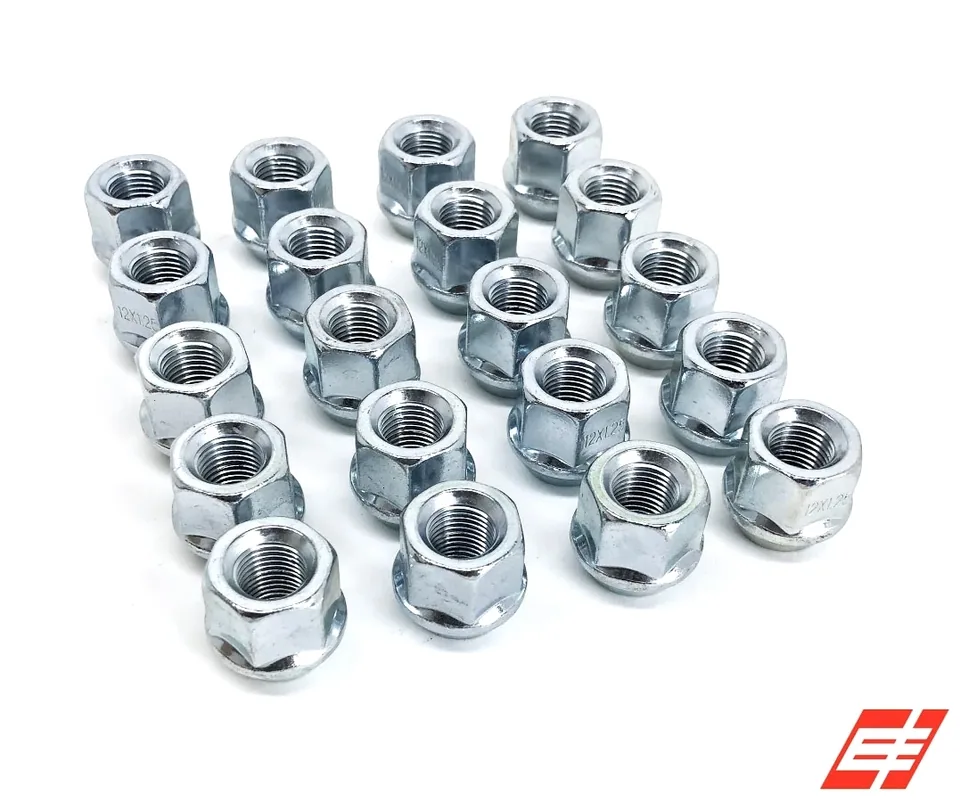
Aftermarket wheels nearly always want new lugs. Factory nuts on plenty of Hondas, Toyotas and most German cars are a ball seat or a shank, and aftermarket wheels are cut for a sixty degree cone. Put the wrong seat in the wrong wheel and the nut never really clamps, which is how wheels come loose. Every wheel listing on the site names the seat it's cut for.
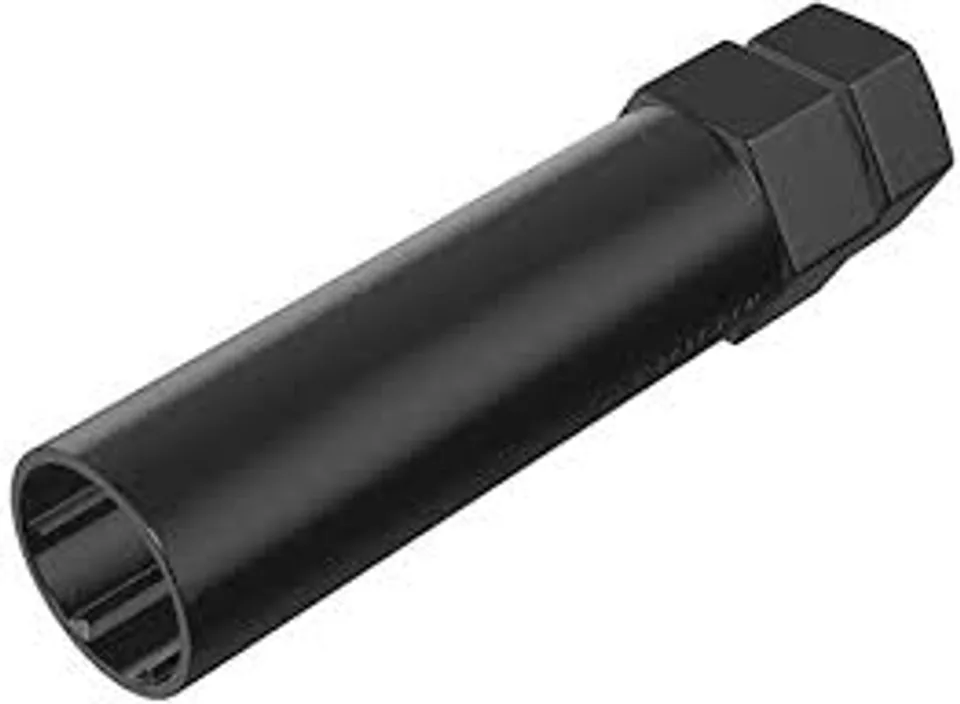
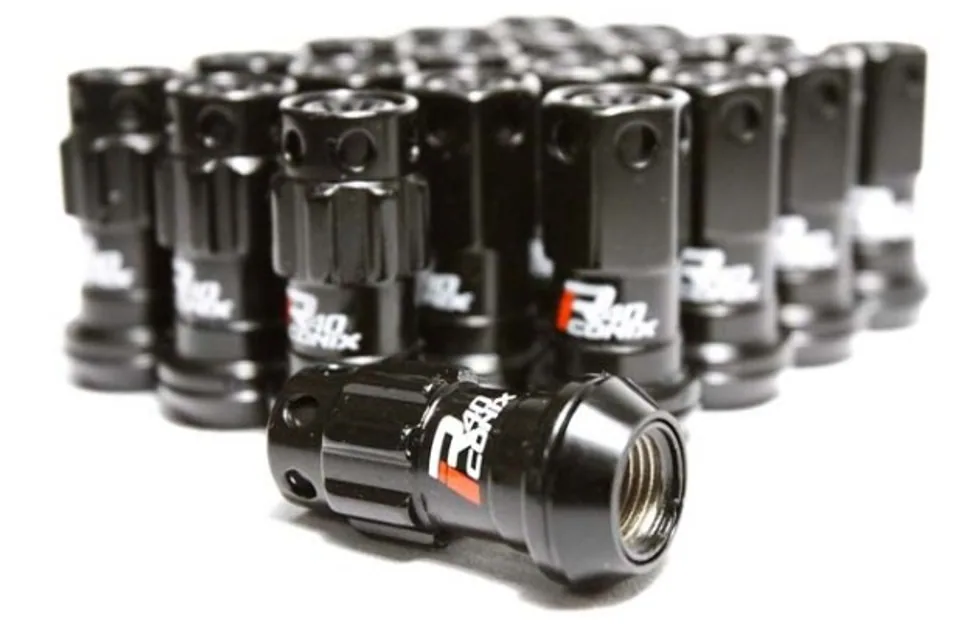
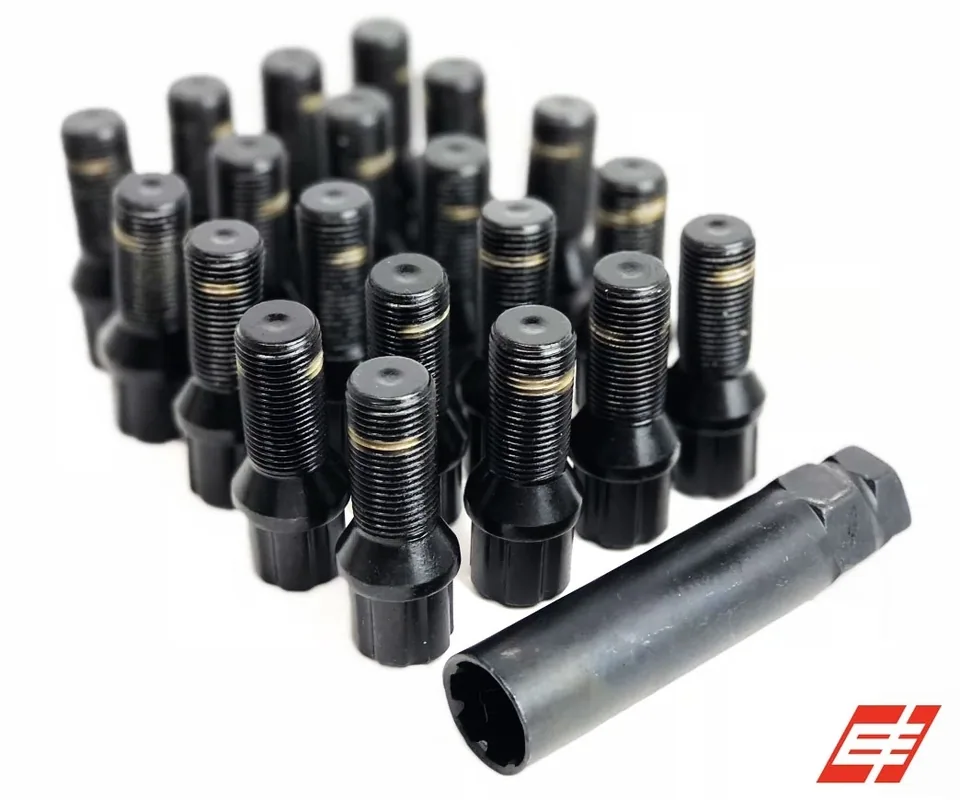
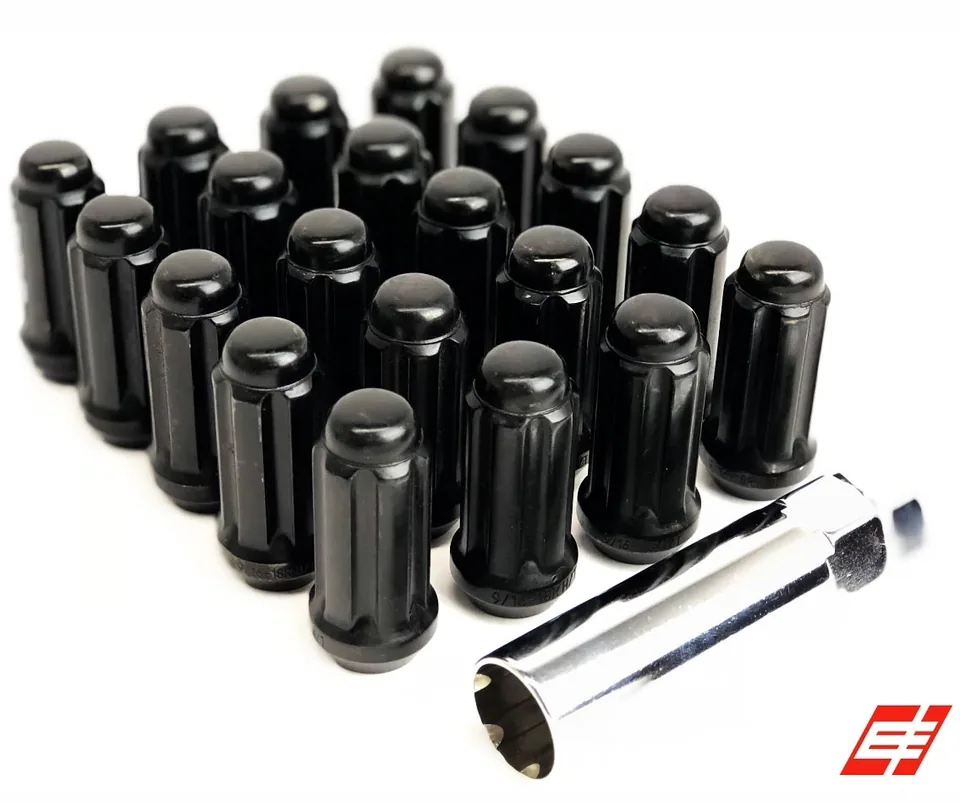
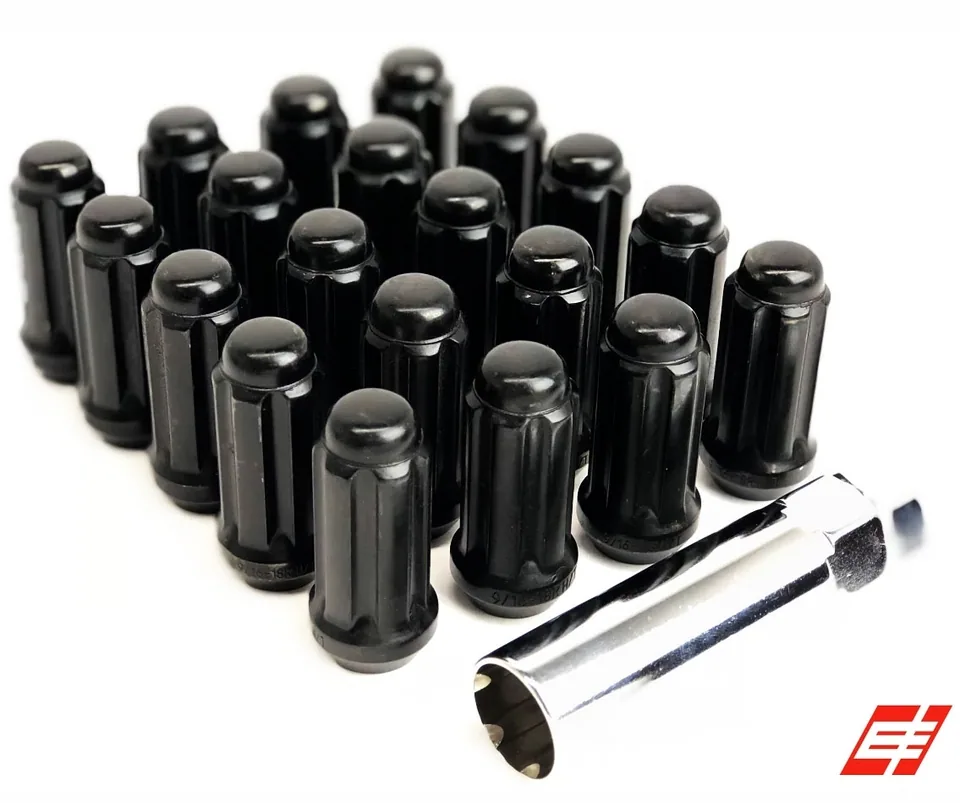
Thread pitch comes from the car, the seat comes from the wheel, and the drive style comes from the lug hole. A wheel with a deep narrow hole wants a slim spline drive or a tuner nut with its own key. Open ended lugs suit extended studs and closed ones keep the stud clean, so it's worth knowing which you've got. A lock swaps one nut per wheel for a keyed one, so photograph the key code before it goes in the glovebox.
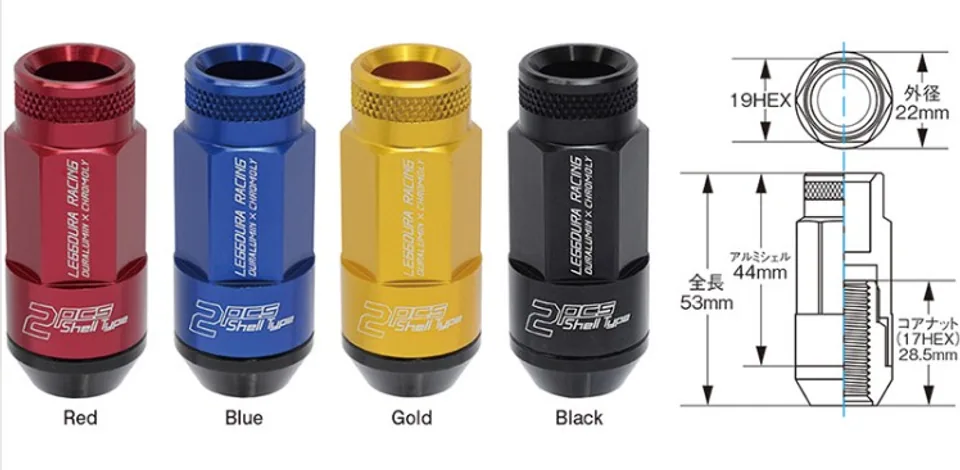
Torque matters as much as the nut you've picked. Aluminum lugs look great and round off the second an impact gun touches them, so use a torque wrench and the spec on the listing. Steel and chromoly take the abuse. Retorque after the first drive on any new wheel, because the seat beds in. Packages that ship mounted and balanced leave here with the lugs already on.
- By brand
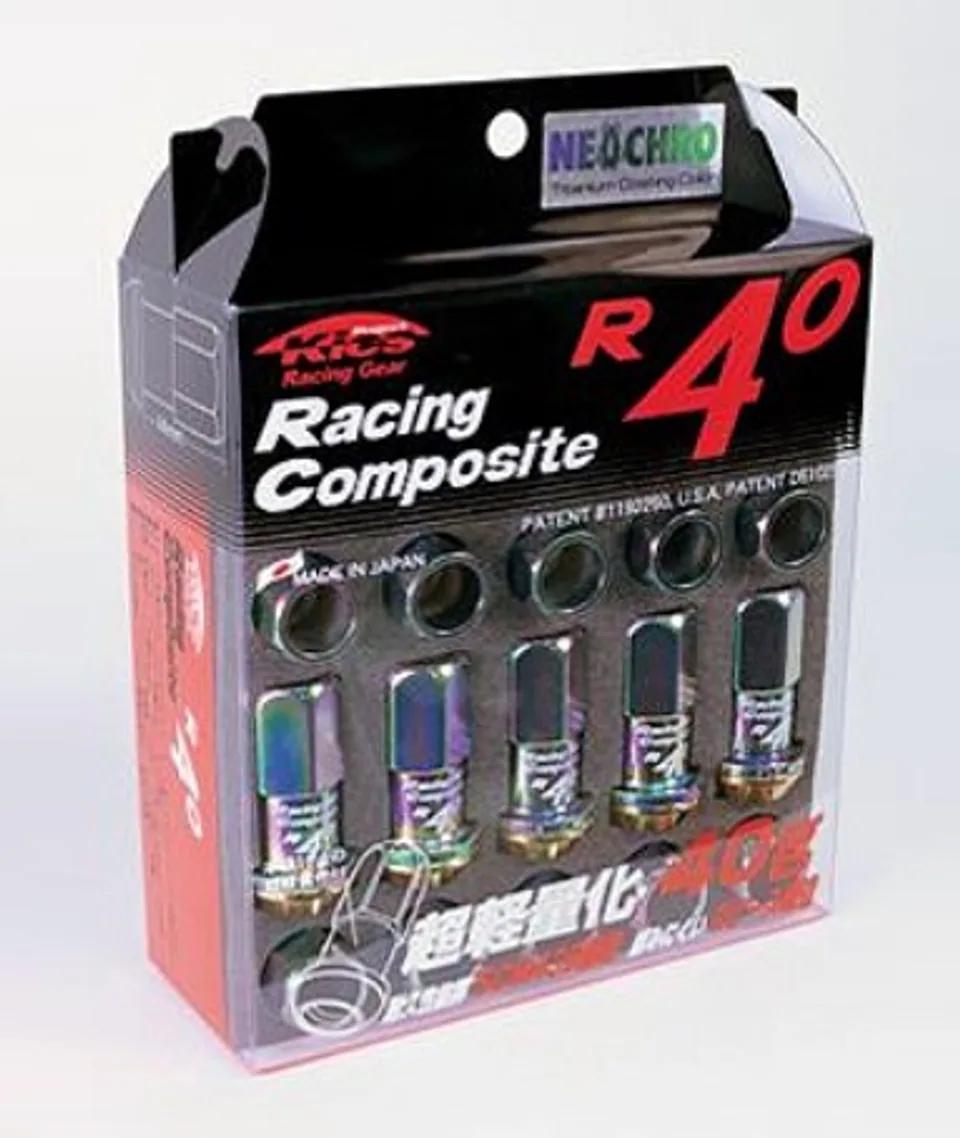
- Project Kics3